Zero-defect delivery supported by in-house inspection, NDT, mechanical testing and full traceability. Our technicians and equipment ensure every flange and valve meets project requirements before release.
Request MTC / inspection docs →We perform liquid penetrant (dye) inspection on critical surfaces to reveal surface-breaking defects. Technicians apply penetrant, remove excess, and use developer to highlight indications — a standard NDT method for flanges and forgings. Dimensional checks and handheld ultrasonic or electronic gauges are used for thickness and geometry verification on large rings and flanges. All activities are carried out in controlled workshop or floor areas with clear procedures and records.
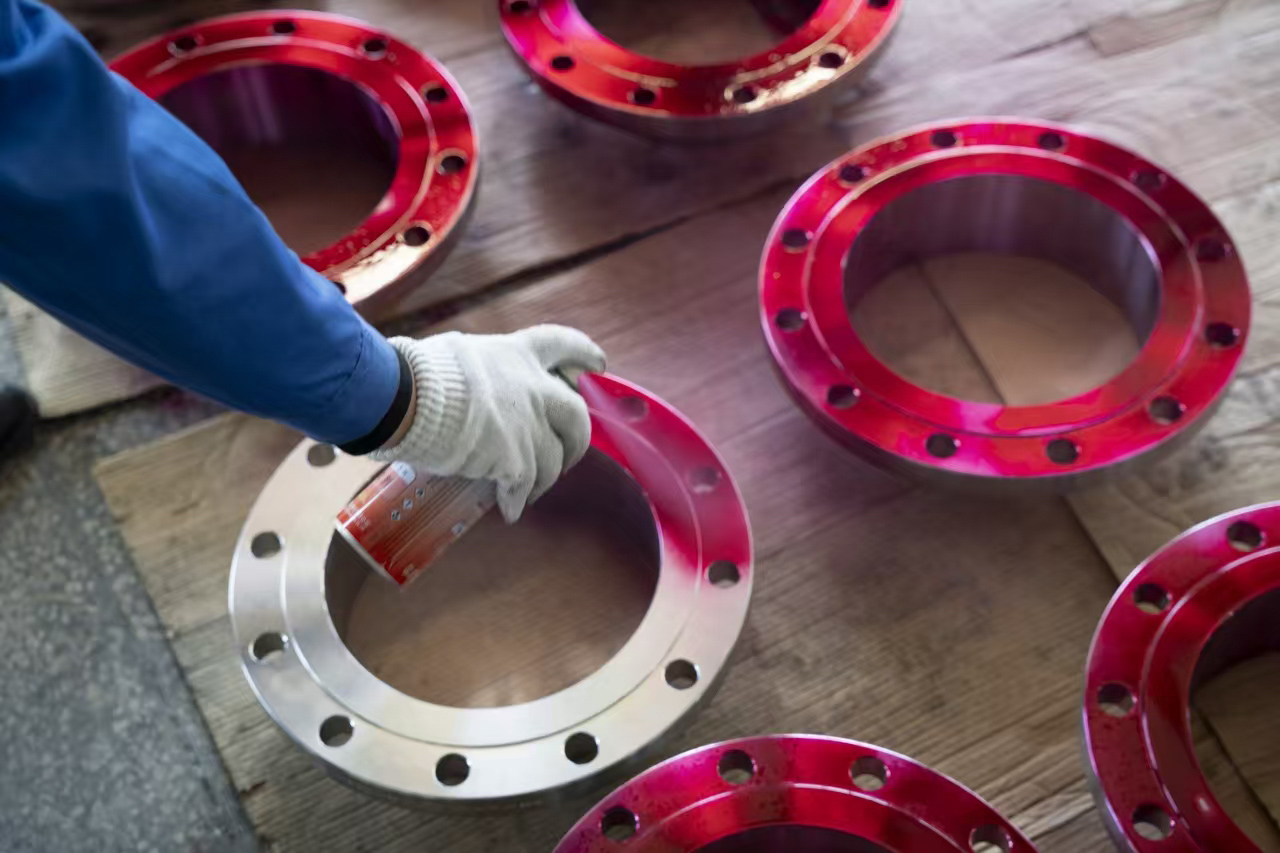

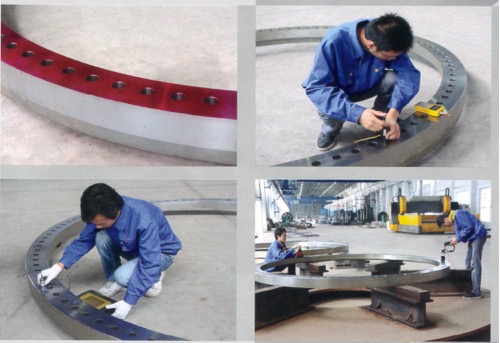
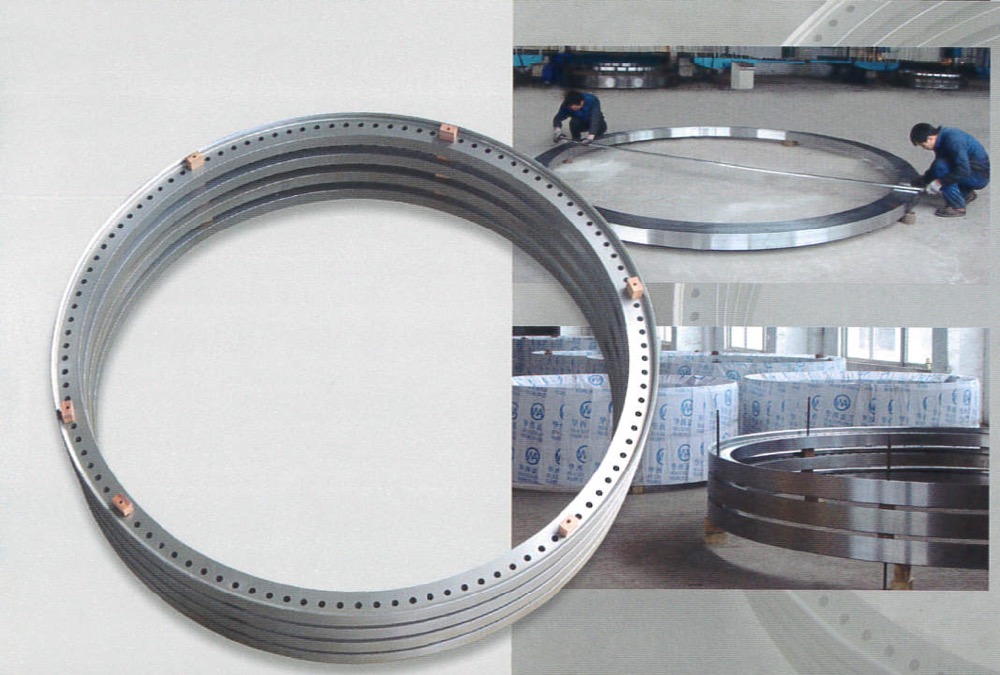
Ultrasonic testing (UT) is used to detect internal flaws and measure thickness; magnetic particle testing (MT) for surface and near-surface defects in ferromagnetic materials; liquid penetrant testing (PT) for surface-breaking cracks and porosity on any non-porous material. Methods are applied per project specification and relevant codes (e.g. ASME, EN). Inspection reports and traceability are maintained for each batch or heat.
Hydrostatic or pneumatic pressure testing is performed where required by standard or order. Valve flow and control stability tests support performance verification and noise assessment for severe-service applications. All test data are documented and traceable.
Material heat numbers are tracked from receipt through forging, machining and final inspection. Mill test certificates (MTC), chemical and mechanical test reports, and NDT records are retained and can be supplied with delivery to support project QA and regulatory requirements.
The following equipment is used for material verification, mechanical testing, NDT and dimensional inspection. Selection and application are in accordance with relevant standards and project requirements.